






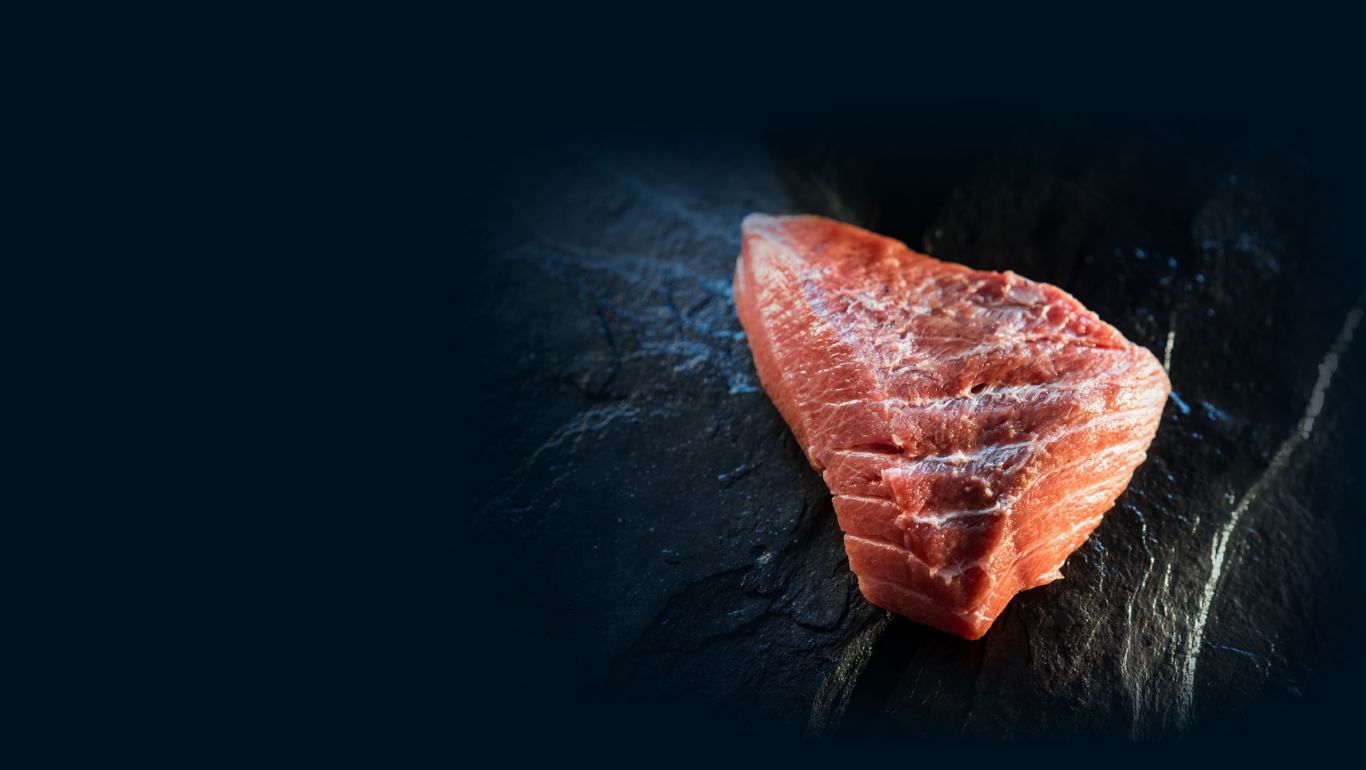
Thunnus Thynnus
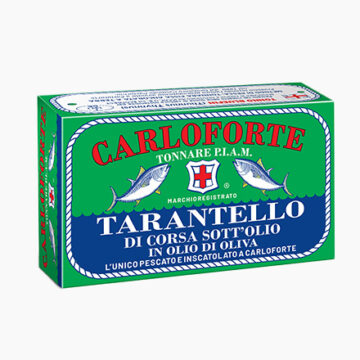
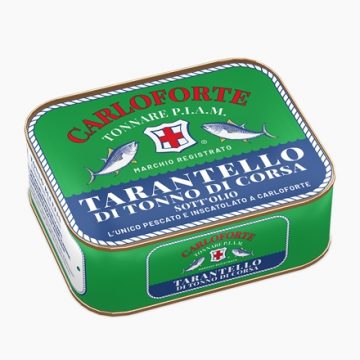
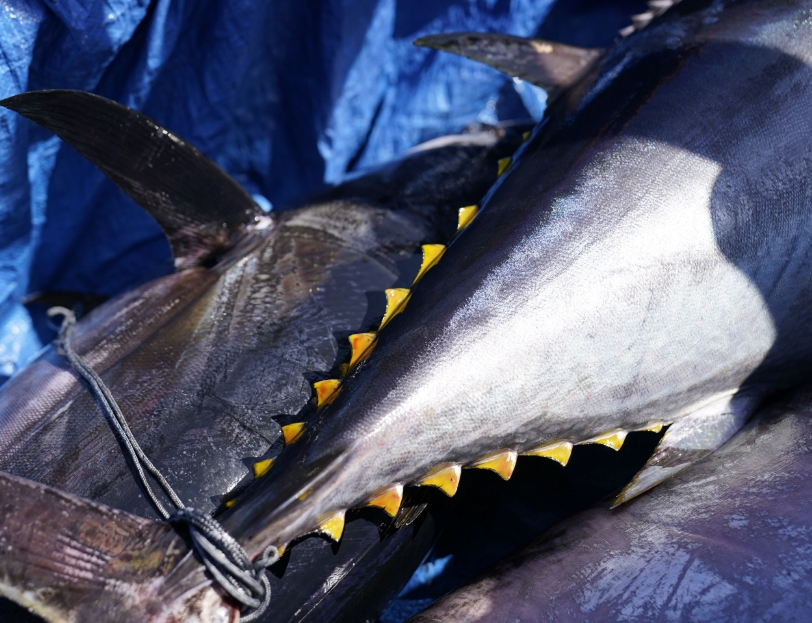
Carloforte Tuna is Thunnus Thynnus and is called 'Tonno di corsa', because it is caught during its migration, which takes place between April and June, the best time of the year for the condition of its meat.
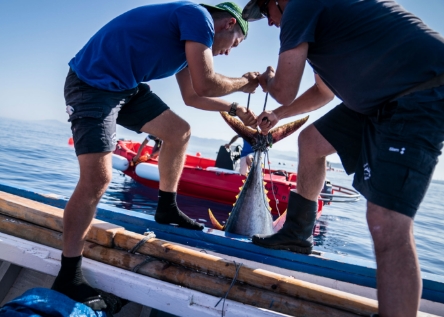

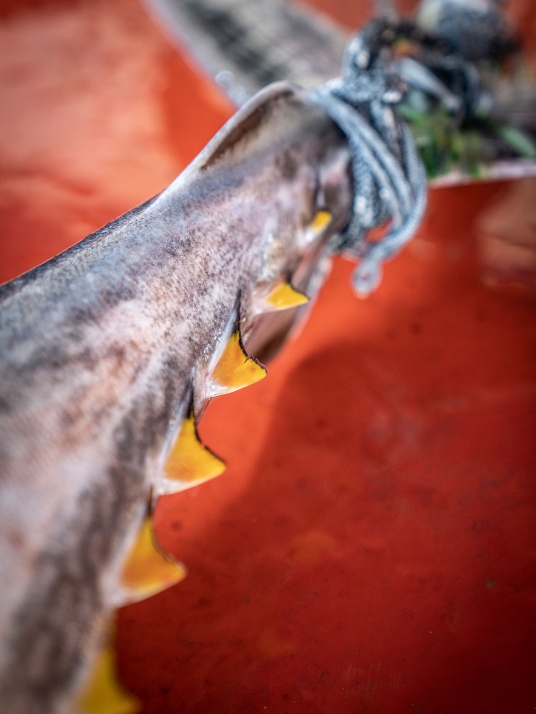
In the spring, the "Tonni di corsa" leave the North Atlantic and head to the Mediterranean to spawn. They will later resume their fasting journey to the ocean becoming 'tonni di ritorno', returning tuna. It is precisely for this reason that the 'tonni di Corsa'meat is fatter and tastier: hence the choice of the fishing period and the location of the Carloforte Tonnare fishing nets.
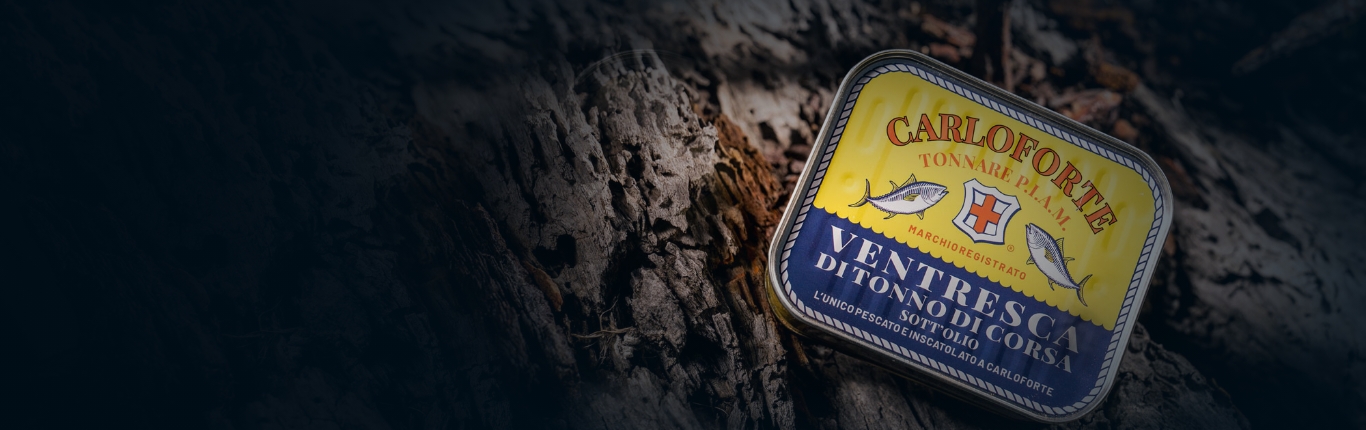
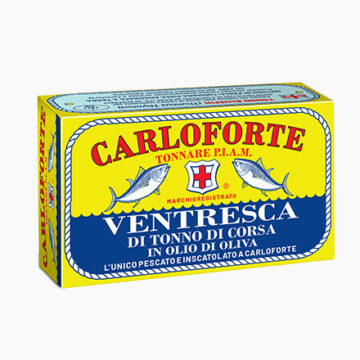
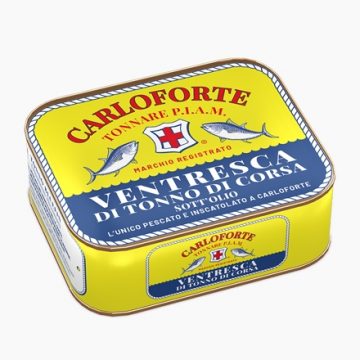
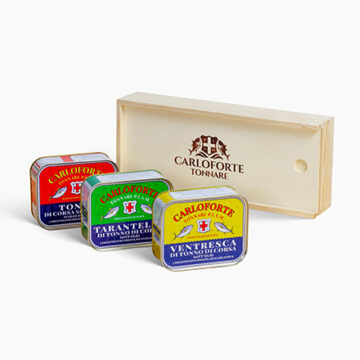
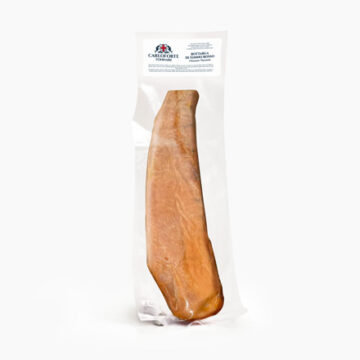
Ventresca, the most valuable part of tuna, for your most sophisticated dishes.
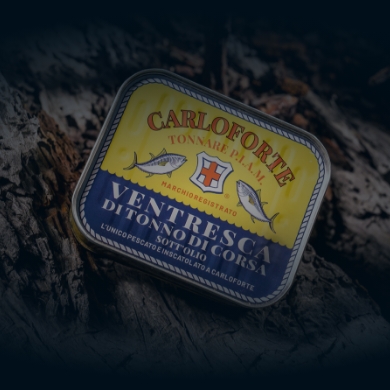
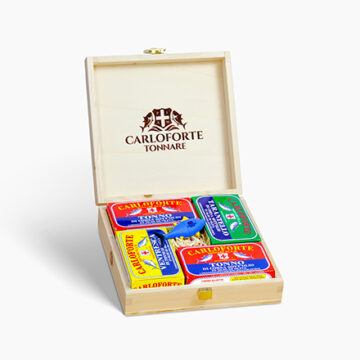
Discover all carloforte products
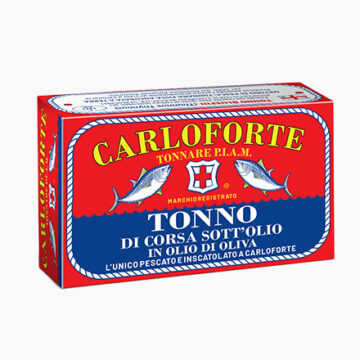
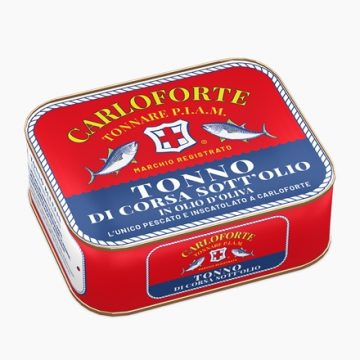

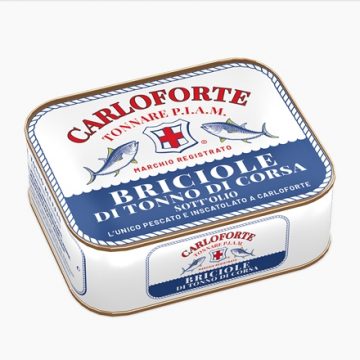
Tuna fishing
A fishing system that has remained intact over time, ensuring efficiency, quality and sustainability.
A fishing system that has remained intact over time, ensuring efficiency, quality and sustainability.
THE TUNA FISHING NETS AND THE PROCESSING PLANT
The location and territory are the secret of our quality
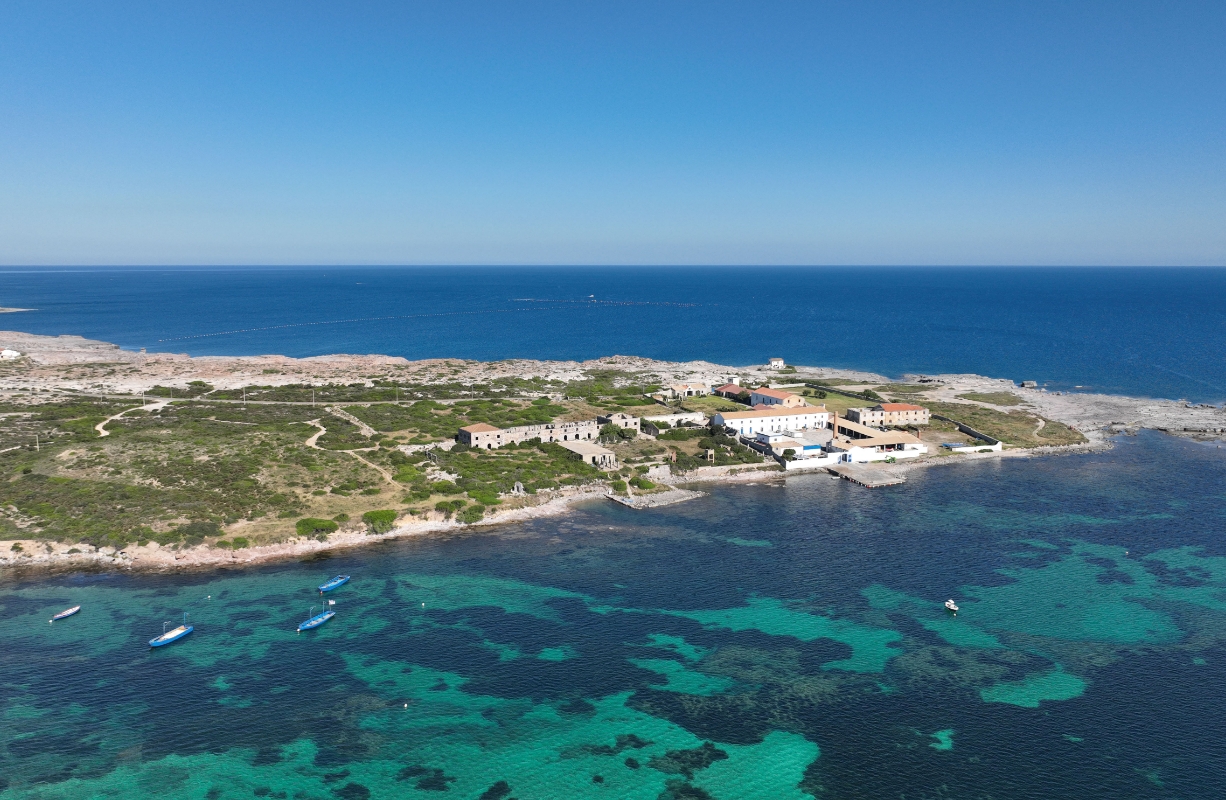
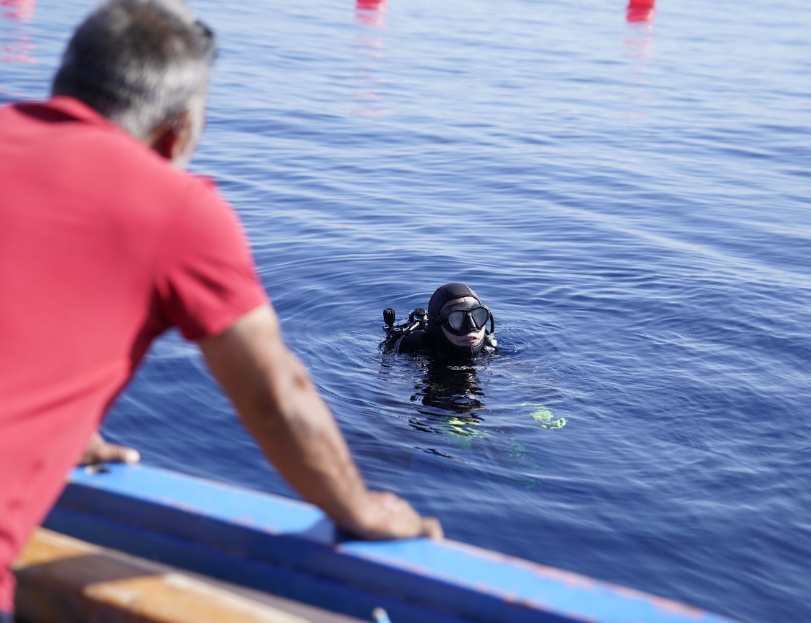
The typical fishing boats called 'Bastarde' set off from the historic plant and, following the profile of the tip of the island, reach the 'tonnara', the system of nets set up for catching tuna. As you can see in the photo and map, the two sites are very close to one another.
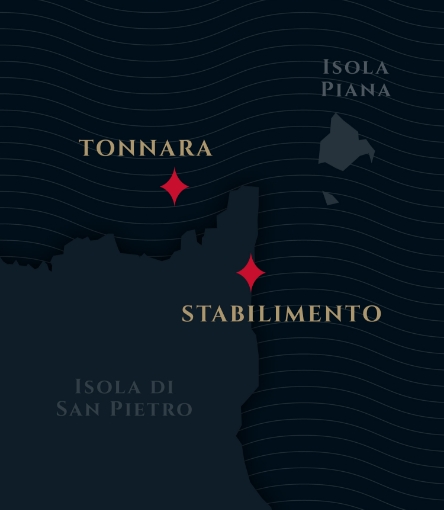
The tonnara stationary fishing nets
Respect for the sea and its creatures
The "tonnara" is a fishing system of very ancient Arab tradition. The set of nets is called an 'island': the tuna converge in an area where the fishing takes place, which has been refined over the years with the intention of making it less and less bloody.

The supply chain
Step by step
-
01.
-
02.
-
03.
-
04.
The mediterranean tuna
A canned delicacy
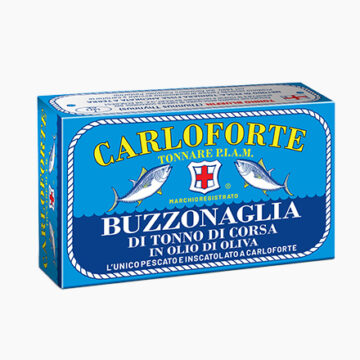
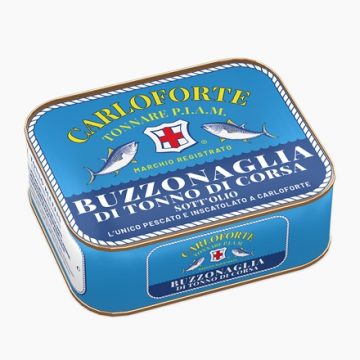
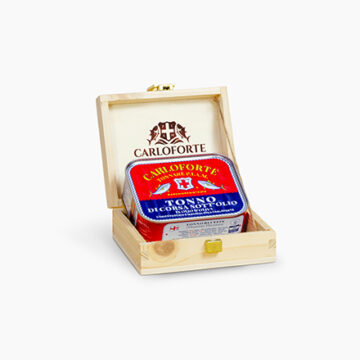
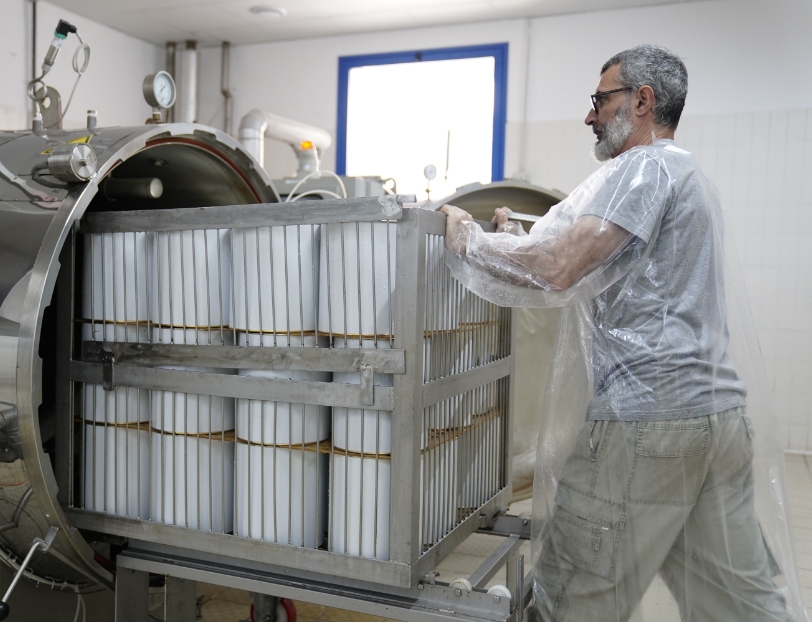
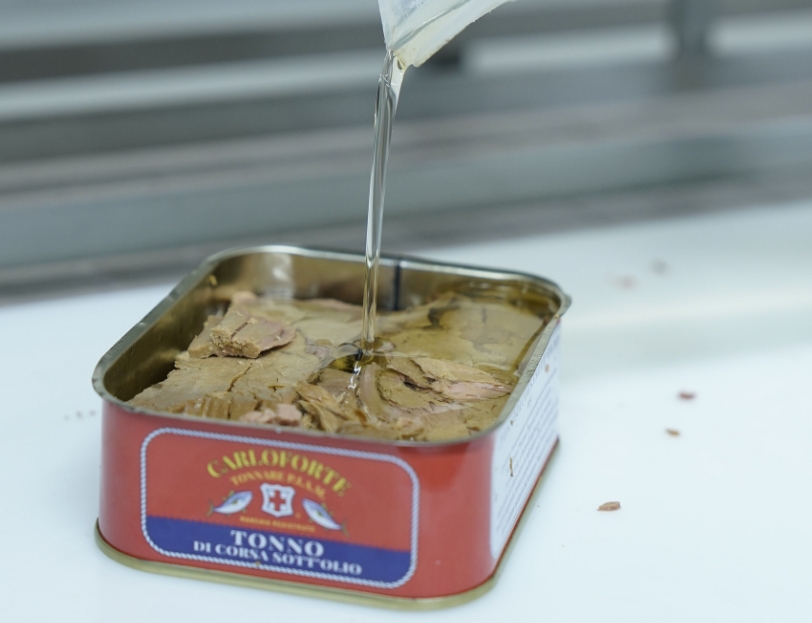
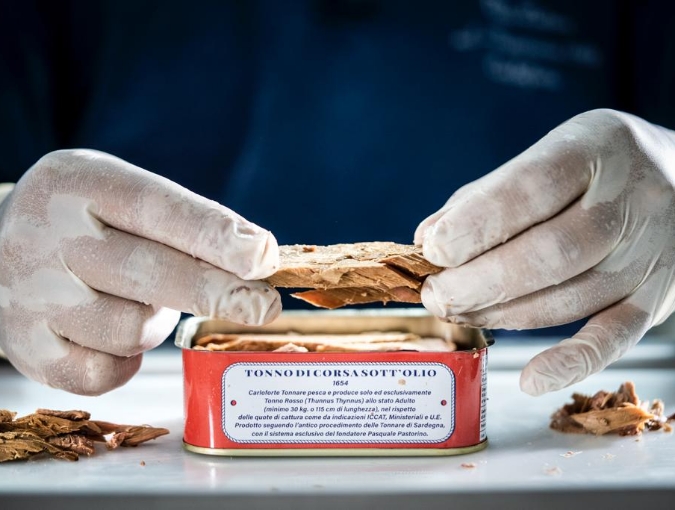
Our Mediterranean Bluefin Tuna is processed, cut, prepared and canned by hand according to a tradition that spans over 400 years: a process that contributes to making it a unique product.
Stay updated on our initiatives
Sign up to our newsletter to receive 15% off your first order