






Bluefin Tuna and Sustainability: A Balance Restored
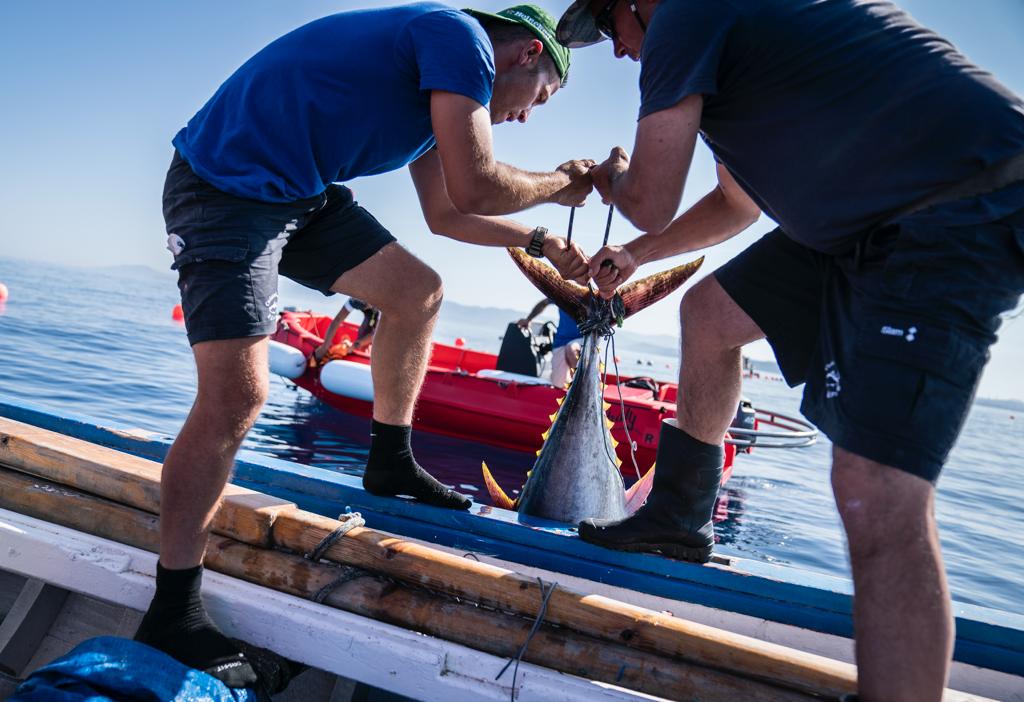
For centuries, Mediterranean coastal communities have captured Bluefin tuna during its migration to spawning grounds, an ancient balance dictated by the rhythm of the sea and techniques passed down through generations.
This harmony faltered during the 1980s and 90s, when surging global demand, driven largely by the sushi market, led to a drastic decline in Bluefin tuna (Thunnus thynnus) populations, pushing the species to the brink of collapse.
The Rules That Changed the Course for the Species
Starting in 2006, increasingly rigorous international management measures were introduced for Bluefin tuna fishing.
Key actions included:
- – Reducing fleet capacity;
- – Implementing fishing quotas;
- – Combating illegal fishing;
- – Stricter monitoring throughout the entire supply chain.
These efforts, coordinated by organizations such as ICCAT (International Commission for the Conservation of Atlantic Tunas), marked a turning point in the management of the species.
Nearly twenty years since the recovery plan was launched, the latest data shows a significant milestone: the Eastern Atlantic and Mediterranean Bluefin tuna stock is no longer considered overexploited.
Fishing Methods: It’s All in the Approach
Not all fishing techniques have the same impact on the marine environment.
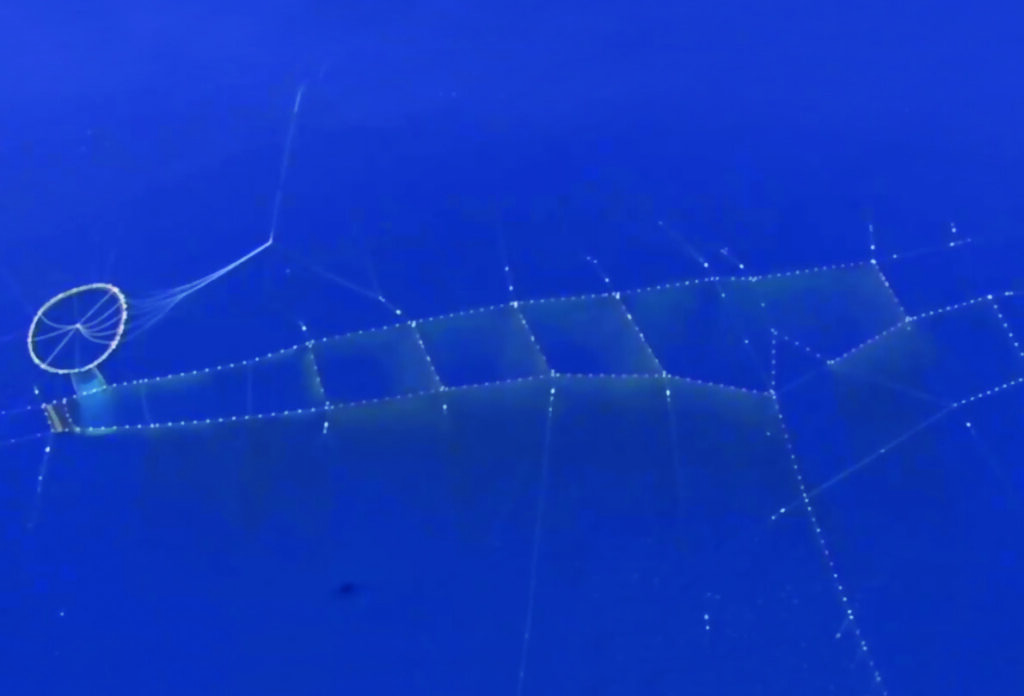
There are selective and sustainable methods, such as line fishing, rod-and-reel, and traditional tuna traps, including the permanent tuna trap (tonnara fissa), which minimize bycatch and respect the ecosystem.
The Carloforte permanent tuna trap, among the few still active in the Mediterranean, represents one of the oldest Bluefin tuna harvesting systems in existence.
Here, fishing still follows the natural rhythm of the tuna “run”: between spring and early summer, the fish return to the coastal waters where they were born to spawn, following routes that have remained unchanged for centuries.
The tonnara system consists of a series of “chambers” connected by nets, which guide the tuna along a specific path. Through the expertise of the rais and the tonnarotti, the fish are progressively directed from one chamber to the next, leading to the final stage of the harvest.
This method allows for a careful and conscious management of the resource, making it possible to select the specimens, release the juveniles, and minimize the impact on the marine ecosystem.
Each season, entire schools of tuna weighing under 30 kg are set free, directly contributing to the preservation of the species.
A Recognized Commitment
The commitment to sustainability extends beyond the fishing stage to the entire supply chain, from the initial catch to the final product.
Carloforte tuna comes with a BCD (Bluefin Catch Document), a veritable “identity card” that certifies its origin and guarantees traceability at every step.
This is supported by major international certifications that confirm a responsible and transparent approach: ECOCREST®, which recognizes eco-compatible fishing systems and sustainable resource management, and Friend of the Sea, one of the leading global standards for the protection of the marine environment and fish species.
Tradition and the Future
Bluefin tuna sustainability is not a final achievement, but a stability that must be built and maintained over time.
It requires regulations, monitoring, and awareness, but also a respect for ancient practices that, even today, prove their enduring relevance.
In Carloforte, this balance takes shape every season, fueled by expertise, care, and a deep-rooted bond with the sea that is renewed day after day.