





The fixed tuna trap: a tradition blending expertise, nature, and respect
Some fishing methods belong to modernity; others belong to time itself. The fixed tuna trap falls into the latter: an ancient system attuned to the rhythms of the sea, built on wisdom and patience.
For us at Carloforte Tonnare, it remains a living practice today, one rooted in centuries of experience,seasonality, and a deep commitment to protecting the marine environment.
What exactly is a fixed tuna trap?
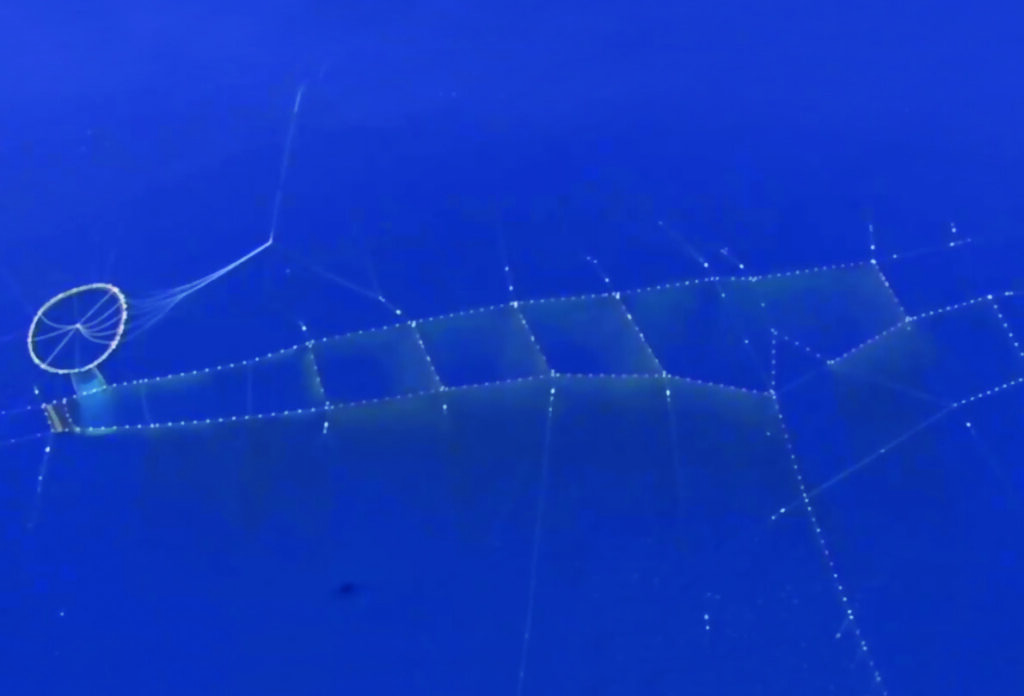
The fixed tuna trap is a traditional fishing system consisting of a complex network of nets anchored to the seabed, strategically positioned to intercept tuna along their migratory path.
Rather than a “chase” or a “hunt,” it is a stationary structure that respects the tuna’s natural route. The fish are guided through a series of chambers and corridors toward the final stage, where the catch is carried out with expert precision and care.
Behind every fixed trap lie years of studying the sea, its currents, depths, and routes. Every net is meticulously arranged, ensuring the entire system works in perfect harmony with the surrounding environment.
Working with nature, not against it
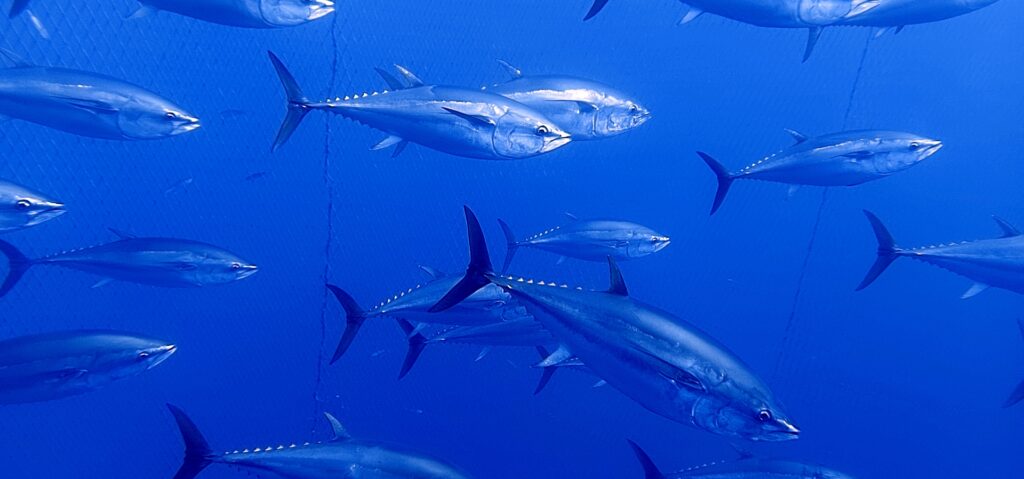
The fixed tuna trap is a deeply sustainable system that follows the rhythms of nature, carefully selecting the tuna while respecting all marine life.
One of its most vital features is its high selectivity.
The tuna are not caught indiscriminately. In fact, the chamber system allows the catch to be managed with precision, minimizing the impact on other species and providing greater protection for the sea’s delicate balance.
A Living Heritage of the Mediterranean
To speak of the fixed tuna trap is to speak of history and identity.
For centuries, across many regions of the Mediterranean, from Sardinia and Sicily to Spain and North Africa, these traps were more than just an economic resource. They were true social hubs: centers of labor and community, defined by specific roles, handed-down traditions, and a technical language that still survives today.
In Carloforte, this culture is woven into our DNA. It is a living memory that breathes through our words, our actions, and our daily relationship with the sea.
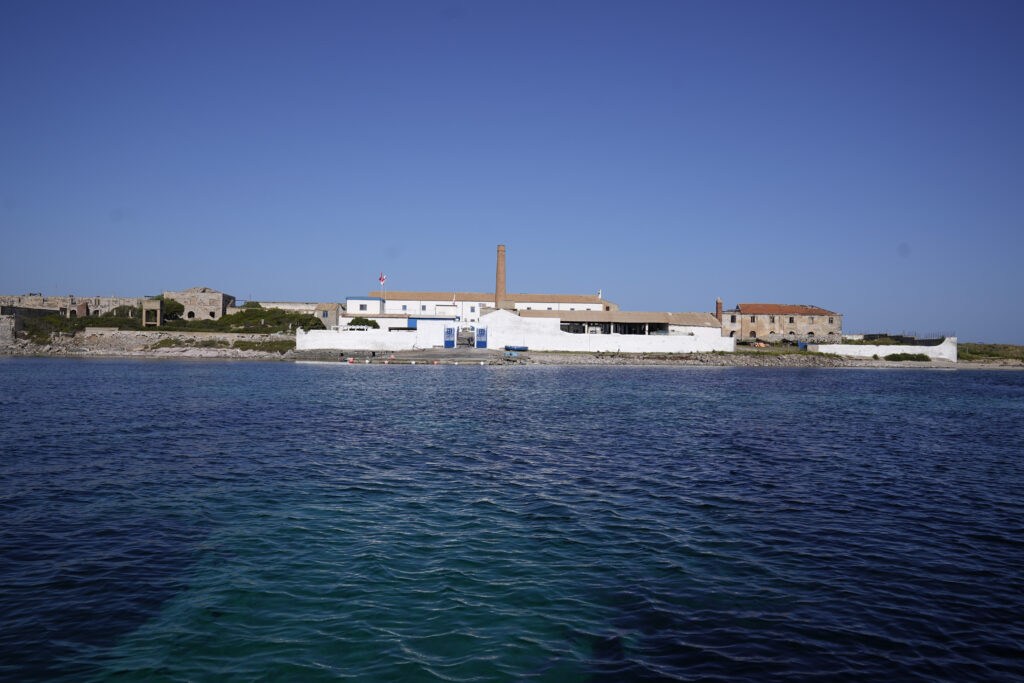
Visiting our tonnara means entering a place where time has never been an enemy, but a natural law.
It is a place that tells the story of what it truly means to respect the sea—working in harmony with its rhythms, and never against them.